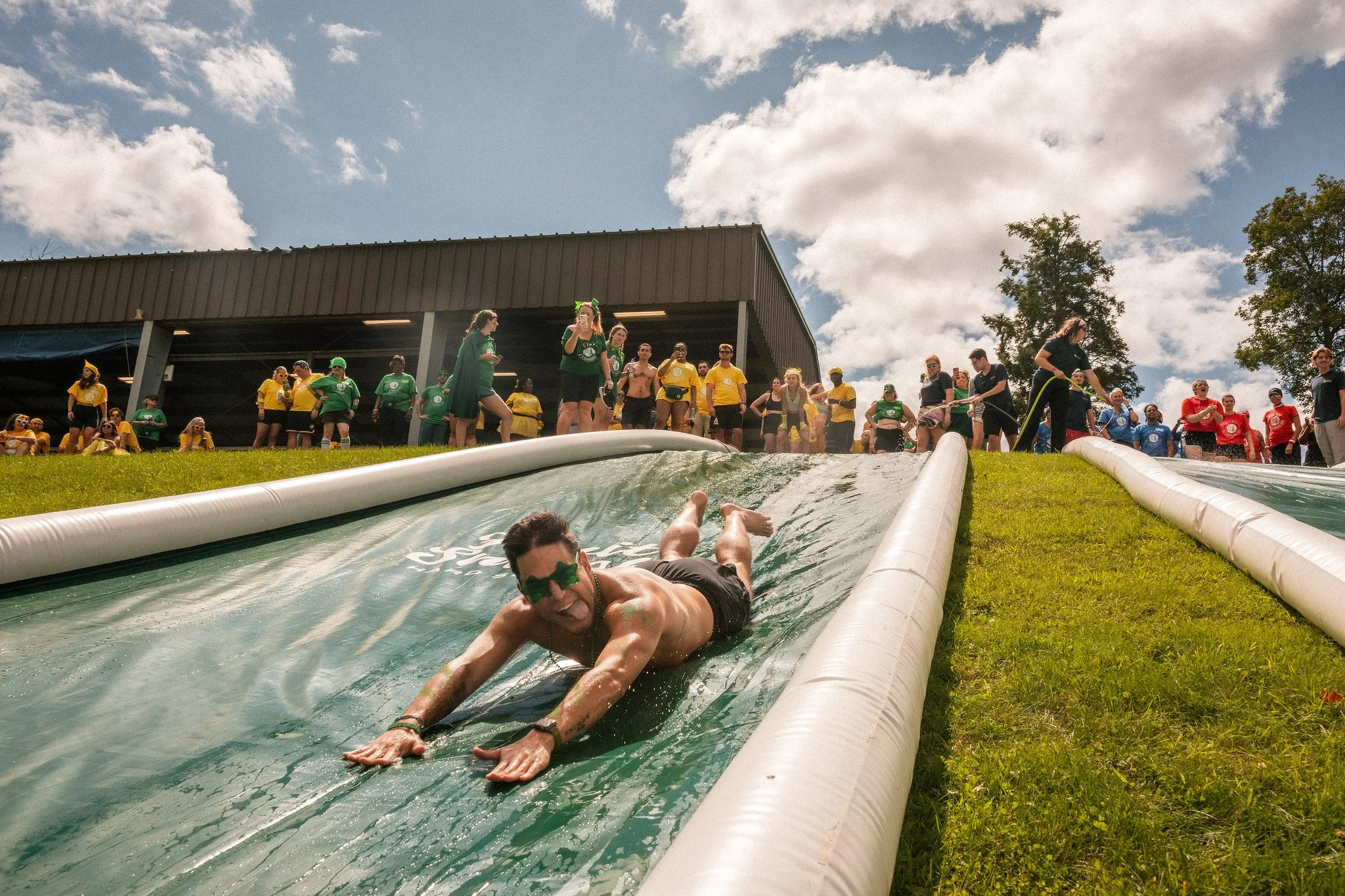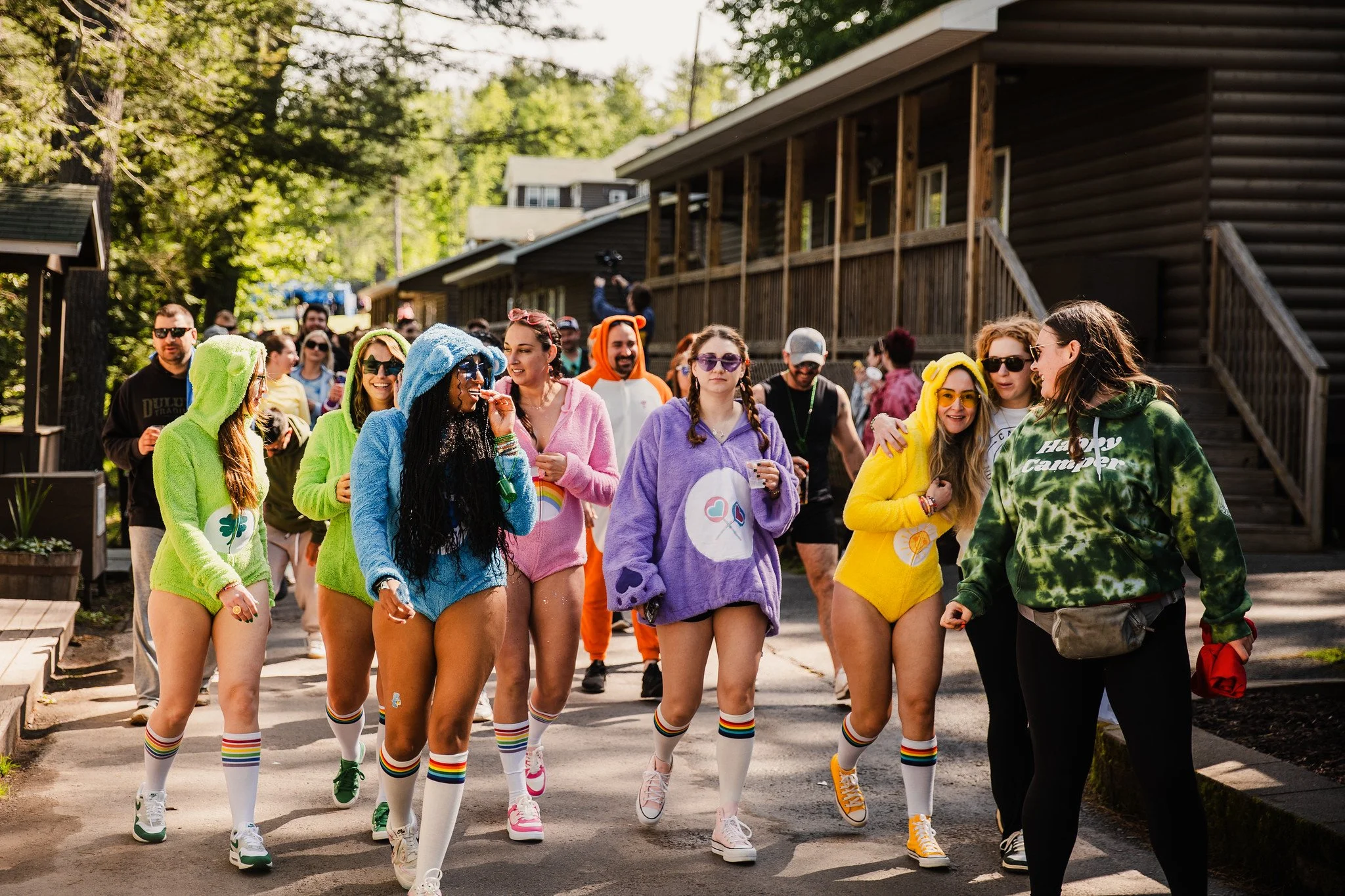
Best Summer Camps for Adults — Category Guide
Summer camp stopped being just for kids somewhere around 2013. That is roughly when adults started renting out sleepaway camps for themselves, and it has grown into a proper category since.
We would know. We started it.
Camp No Counselors has been running adult summer camps since 2013. Over 150 of them, for more than 50,000 campers, across four locations. In that time we have watched the category fill up with camps of every shape, which is good for everyone and slightly confusing if you are trying to pick one.
So this is an honest guide to choosing. The types of camp out there, what to compare, what it should cost, and the questions worth asking before you hand over a few hundred dollars for a weekend you cannot picture yet.
What adults actually want from a summer camp
Most people arrive at this looking for more than nostalgia.
The thing that keeps coming up, in thirteen years of asking, is that adult life quietly stopped handing out two things: unstructured play and new friends. Work gives you colleagues. Your phone gives you contact without company. Hobbies give you an output. Almost nothing gives you a weekend where you are doing something slightly ridiculous, outdoors, with people you have just met, for no reason at all.
A good adult camp gives you that. The specifics vary, but most people are after some combination of:
Classic camp activities with grown-up comfort
Meals you eat with other people, which is where most conversation actually starts
Outdoor time without having to organize any of it
Evening programming worth staying up for
Permission to be bad at things in public
Enough structure that the weekend runs itself, and enough slack that you can opt out of all of it
The best camp for you is not the one with the longest activity list. It is the one whose crowd, pace and culture match what you are actually hoping for.
Why adult summer camps took off
The short answer is that they solve a problem people had not quite named.
Adults are lonelier and busier than they were, and the usual fixes do not really work. A city weekend is expensive and most of it is spent in a queue. A rental house is cheap and lovely until Saturday afternoon, when you realize you are responsible for the next thirty hours of entertainment. A resort is comfortable and forgettable.
Camp works because it removes the planning, removes the phones, and puts a few hundred people in one place with a shared schedule. The friendships happen sideways, while everyone is doing something else, which is how adults actually make friends and almost never get the chance to.
There is also the straightforward appeal of playing again. Most of us stopped at around twelve. Not exercising, not having hobbies. Playing.
What is an adult sleepaway camp?
Most camps fall into one of these, though plenty blend two.
Social and friendship camps. Built around connection. Shared meals, team games, camp olympics, evening programming, and a structure designed to make talking to strangers easy. Best for solo campers and anyone who wants to come home knowing people.
Adventure and outdoor camps. Built around movement. Hiking, kayaking, paddleboarding, ropes courses, climbing. Best if you want to come back tired. Check whether the activities are scaled for beginners.
Party and entertainment camps. Built around nights. Themed parties, live music, DJs, pool parties, an open bar. Check the alcohol policy, the quiet hours and the lodging before you book, because the gap between camps here is wide.
Wellness and reset camps. Built around slowing down. Yoga, meditation, crafts, nature walks, restorative time. Best if what you actually need is rest rather than a crowd.
All-inclusive camps. Less a type than a billing model, but it matters more than people expect. Everything in one price, nothing to pay on site. We will come back to this.
The most common mismatch is booking a party camp when you wanted a wellness one, or the reverse. Read the schedule before you read the price.
How to compare adult summer camps
Every camp claims to be the best one. A more useful approach is to work out which questions actually matter to you, then ask them of everyone on your list.
Here are the eight worth asking.
1. How long have they been doing this?
This is not snobbery about who came first. It is a practical question about whether the weekend will run properly.
A residential event is genuinely hard to produce. Several hundred adults, three nights, catering at scale, dietary requirements, waterfront safety, medical cover, transport, licensing, a schedule that runs from flagpole to two in the morning. There is no second attempt. If the food is late on Saturday, it is late for four hundred people with nowhere else to eat.
So ask how many they have actually run. Not how many years they have existed, how many camps they have delivered. A camp on its second or third run is still working things out, and that is fine as long as you know it.
For context, we have run over 150 camps for more than 50,000 campers since 2013.
2. What is actually included?
This is where the real price lives, and camps vary enormously.
Check whether the ticket covers:
Accommodation and how many nights
Every meal, or only some
Drinks, and whether that means soft drinks or a genuinely open bar
All activities, or activities with paid upgrades
Equipment and instruction
Linens and towels
Transport or a shuttle
Taxes and booking fees
An all-inclusive camp folds all of it into one number. A camp with add-ons will quote you a lower headline and a higher total.
There is a second, quieter benefit to all-inclusive that people only notice once they are there. If nobody is spending money on site, nobody is keeping score. There is no round system, no tab, no one quietly working out whether they can afford the thing everyone else is doing. For a group with mixed incomes, that is the difference between everyone having the same weekend and some people having a worse one.
3. Who else is going to be there?
The guest mix shapes the weekend more than the activity list does.
Worth finding out:
The age range, honestly stated
How many people attend
Whether most people arrive solo or in groups
Whether it is co-ed, single-gender, or built around a particular community
Whether it is mostly first-timers or mostly returners
There are excellent camps of every configuration, and the right answer is genuinely personal. A women-only weekend is the right call for a lot of people, and the camps doing that well are doing something valuable.
What we would say, having run co-ed weekends for thirteen years, is that a well-organized mixed camp does something specific and worth understanding.
Adult friendship narrows fast after school. Most people's social worlds end up as work, their partner, and whoever they already knew at twenty-two. Cross-gender friendships fall off hardest of all, because adult life stops providing the settings where they formed. There is almost nowhere left where a few hundred men and women in their thirties and forties are thrown together for three days with nothing to do but play.
Camp is one of the last places that happens. You end up on a kickball team with people you would never have met, and the mix is the reason the weekend feels like being nineteen rather than like networking.
It only works if it is run properly. Co-ed is not a feature you can just declare. It needs single-sex accommodation as standard so everyone can actually relax, couples' accommodation for people arriving together, a culture that is enforced rather than hoped for, and enough staff on site that it holds. Ask any co-ed camp how they handle those four things. A good one will have a clear answer.
For what it is worth, ours skews about 60 to 65% female, which surprises people.
4. Is the weekend built around community, or around content?
Most people book a camp six to nine months out. A lot can happen in nine months.
Ask before you book:
Can you get a refund, and until when?
Can you transfer your ticket to someone else?
Is there a fee, and a cutoff date?
What happens if the camp is cancelled or moved?
A camp that sells out instantly has never really needed to solve this, because somebody will always take the spot. A camp selling across a long window has had to think about it properly.
This matters more than people realize at the point of booking and enormously more six months later. We publish our refund and transfer terms openly, and tickets can be passed to someone else, so nobody is stuck covering a bed they cannot use.
6. How many choices do you actually have?
A single camp on a single weekend means one date, one region and one answer. If it sells out, or the date does not work, or you live on the wrong coast, you are done.
More locations and more weekends mean you can pick the one that fits your calendar, fly less far, and go again later in the year with different people.
It also means you can try a smaller camp first and a bigger one next time, which is how a lot of people end up doing this properly.
7. What is the lodging actually like?
Nostalgia is lovely and clear expectations are better.
Ask whether cabins are shared and how many to a room, whether bathrooms are attached or across a field, whether there is air conditioning, whether linens and towels are provided, and whether private rooms exist as an upgrade.
There are no wrong answers here, only unpleasant surprises. A camp that tells you plainly that the bathrooms are a short walk away is being straight with you. A camp that does not mention it is hoping you will not notice until you arrive.
8. Where is it, and how do you get there?
Drive time and travel cost both follow from location, so the nearest camp is not always the cheapest once you add a flight.
Check whether there is a bus or shuttle, where it leaves from, and what it costs. For anyone coming alone this is worth more than it looks. A couple of hours on a bus with people heading to the same place removes the hardest moment of the whole weekend, which is walking in on your own.
Weigh drive time against fit. A camp three hours away that matches what you want beats one an hour away that does not.
What does an adult summer camp cost?
Most adult camps land somewhere between $600 and $1,200 for a weekend, and the spread usually comes down to what is bundled rather than what is better.
The number that matters is the total, door to door. Ticket, travel, and whatever you spend once you are there.
Ours run $799 to $975 depending on the camp, all-inclusive, with an optional $150 round trip bus. Nothing to spend on site.
For comparison, a three-night city weekend with a group rarely comes in under $1,200 once hotel, dinners, drinks and transport are counted, and most of that is spent waiting for things.
So is adult summer camp worth it?
It depends what it replaces.
If you want total privacy, a spa reset, or a self-directed trip with no schedule, a rental or a resort is the better call. Camp means shared cabins, a group schedule, patchy signal and other people. For a lot of campers that is precisely the appeal, and for some it is not.
What you are actually buying is a weekend somebody else has already planned, with everyone you meet in the same unusual position of having nothing else to do. The activities are the excuse. The people are the thing.
The most honest measure is whether people go back, and a lot of ours do.
Where Camp No Counselors fits
We started this in 2013 by renting a summer camp for a group of friends who could not get a weekend in the diary. Nearly a hundred people turned up. Over 150 camps and 50,000 campers later, it is still the same idea.
What we are. Co-ed, all-inclusive, three nights, across four locations and five weekends a year. Big enough that there is always something happening and always someone new to meet. Camp is 21 and over, and campers run from their mid twenties well into their fifties and beyond.
What is included. Accommodation, every meal, premium drinks, every activity and every social. Once you arrive, you do not spend a dollar.
Who it suits. People coming alone, which is most of them. Friend groups who have been failing to plan something for two years. Couples. Bachelor and bachelorette parties, including joint ones. Anyone who would rather be on a lake than in a hotel bar.
Who it does not. Anyone after a silent retreat, a luxury spa weekend, or a camp where nothing happens after ten o'clock. We are not that, and we would rather say so.
One rule. Don't be the asshole. That is the whole code of conduct, and it is the reason the culture holds.
Finding an adult summer camp near you
Four locations, five weekends, spread across the year.
Texas. Hill Country lakefront, about an hour from Austin, in March. The earliest camp of the year and the smallest, capped at 175.
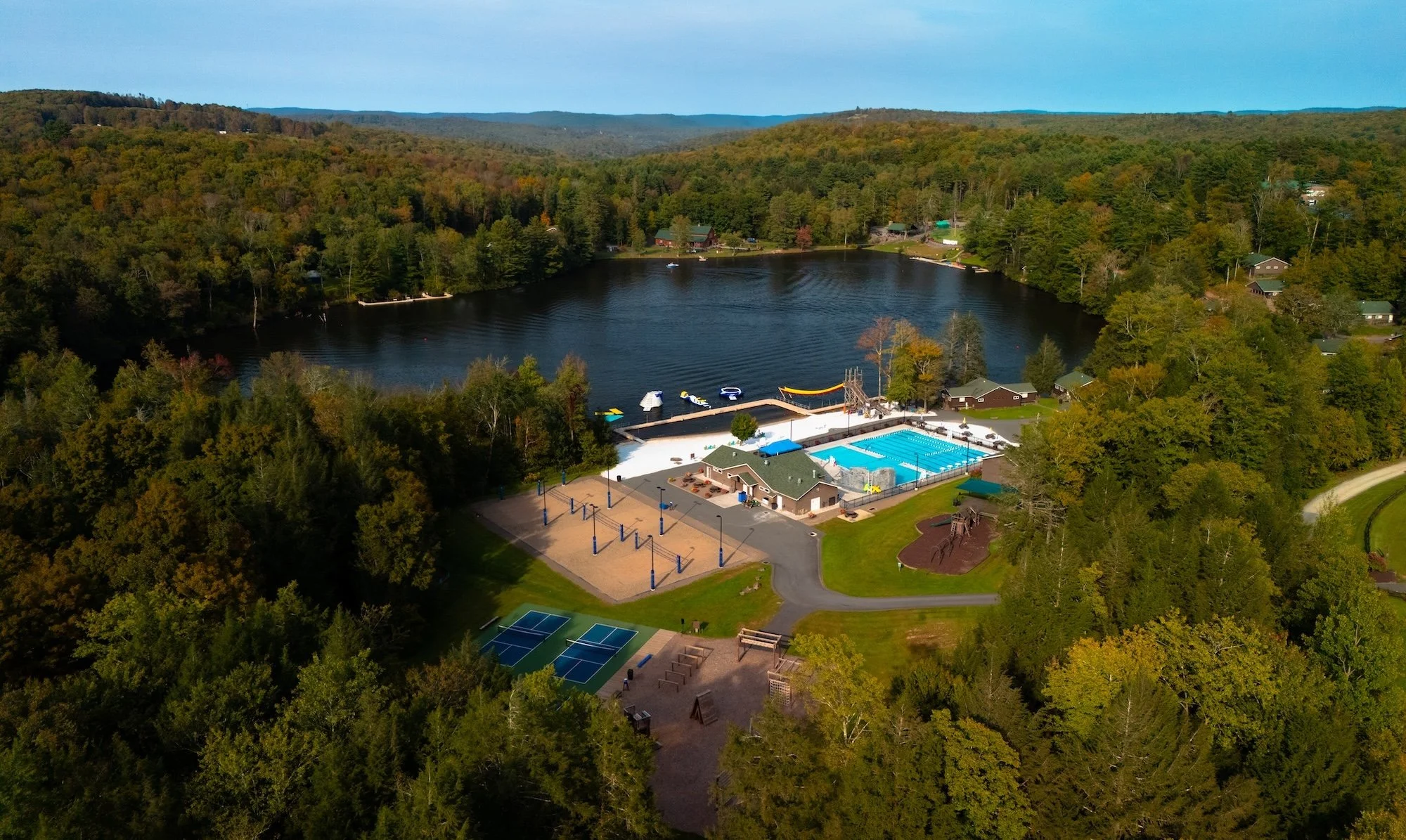
New York. Our flagship, two hours outside the city on a private lake. Runs twice, over Memorial Day and Labor Day weekend. Our biggest at 325 and the first to sell out.
California. Just outside Fresno, in August. Peak summer on the West Coast, and we have run a California camp every year since we started.
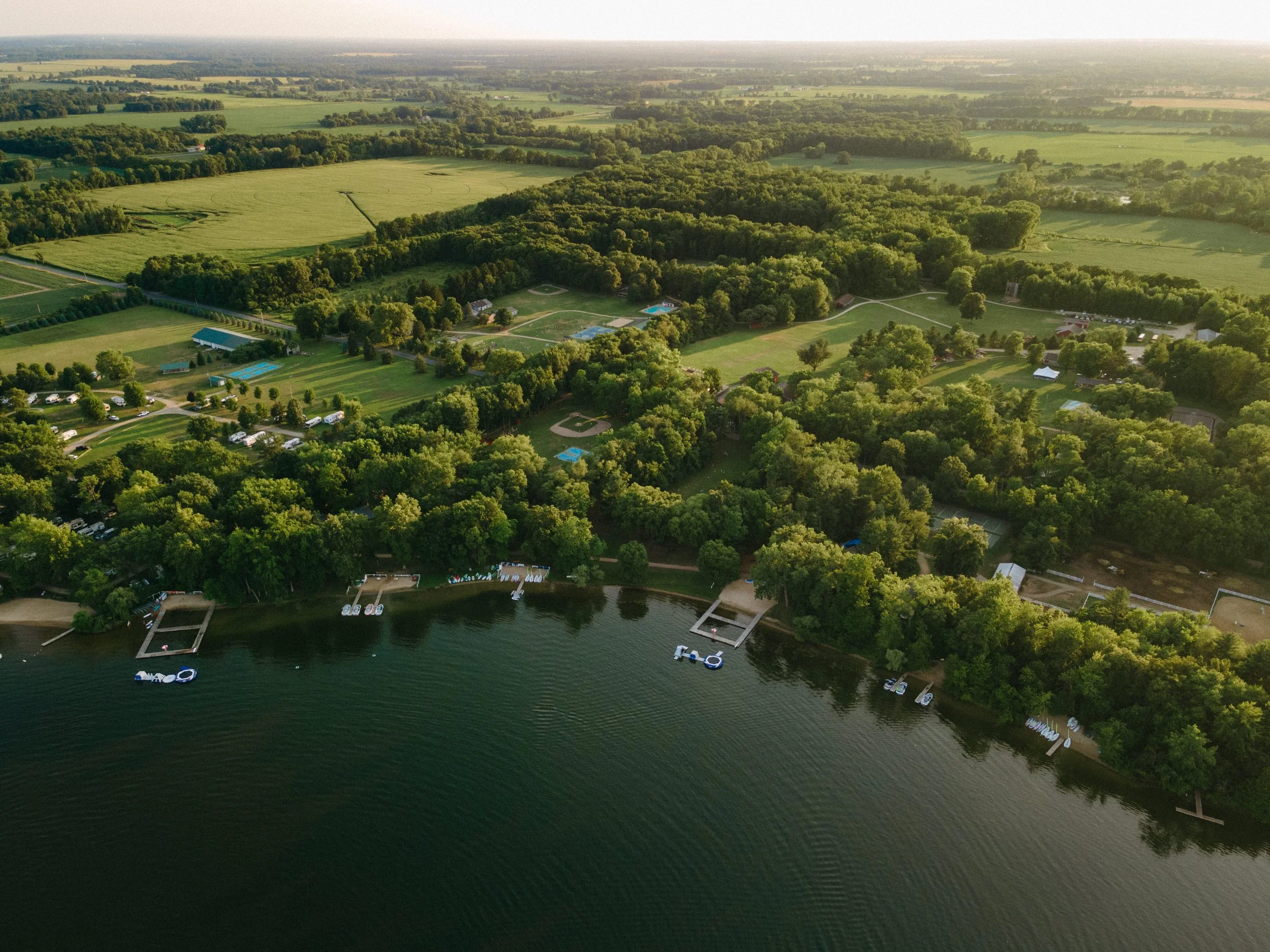
Michigan. A real Michigan lake two hours from Chicago, in September. New for 2027 and capped at 175.
If you are weighing travel, the thing most people underestimate is the bus. Two hours on a coach with people heading to the same place is the single easiest way to arrive already knowing somebody.
Conclusion
The best adult summer camp is not the one with the longest activity list or the loudest marketing. It is the one whose crowd, pace and culture match the weekend you are actually hoping for.
Ask how many camps they have run. Ask what is included. Ask who else will be there. Ask what happens if your plans change.
Then pick the one that gives you the best chance of going home with people you did not arrive with.
5. What happens if your plans change?
This is a newer question and it is worth asking.
Brand partnerships and creators are a normal part of events now, and they are not a bad thing. We work with brands ourselves, and we bring a small number of creators to every camp. Done well, a partner adds something real to the weekend and a creator is simply a camper who films.
The question is the ordering. Is the weekend designed for the people who paid to be there, with partners built in around that? Or is it designed as a content opportunity that campers happen to attend?
You can usually tell. Look at how much of a camp's own feed is campers rather than brands. Look at whether creators are a handful or a visible contingent. Look at whether people go back.
That last one is the real test. Return rate is the only metric that cannot be bought, because nobody books a second weekend somewhere that felt like a shoot.
Common Questions About Adult Camps
Are there summer camps for adults?
Yes, and it's a real category now. Adult summer camps run overnight programs where you stay on site in cabins for the weekend.
Camp No Counselors has been running them since 2013, with over 150 camps and more than 50,000 campers.
What is an adult sleepaway camp?
An overnight camp for grown-ups. You stay on site for the full program, usually three nights, so the days and the nights both happen at camp.
That's what separates it from a day camp, and it's the reason the campfires and late conversations end up being the parts people remember.
How much does adult summer camp cost?
Most land between $600 and $1,200 for a weekend, and the spread usually comes down to what's bundled rather than what's better.
Ours are $799 to $975, all-inclusive, with nothing to spend once you arrive. See every camp and price on the dates and prices page.
Are adult summer camps co-ed?
Some are, some are single-gender, and there are good camps of both kinds.
Ours are co-ed across every camp, with single-sex accommodation as standard and couples' accommodation for people arriving together.
Are there summer camps for adults in their 20s?
Yes. Most adult camps are 21 and over. Ours run from the mid twenties well into the fifties and beyond, and the mix is a big part of why they work.
Can I go to adult summer camp alone?
Yes, and most people do. It's the most common way to attend and arguably the best way to do it.
You'll be placed with people in the same position, and if you take the bus you'll know a handful of them before you even arrive.
What should I look for when comparing adult summer camps?
Five things: how many camps they've actually run, what's included in the price, who else will be there, what happens if your plans change, and how many dates and locations you can choose from.
Compare on crowd, pace and culture rather than on the length of the activity list.
What is the best adult summer camp?
There's no single answer, because the right camp depends on whether you want party energy, adventure, wellness or friendship.
Work out which of those you're after first, then compare on fit. The most expensive camp with the longest activity list is not automatically the right one.
Where are your camps?
Four locations and five weekends a year: Texas in March, New York over Memorial Day and again over Labor Day, California in August, and Michigan in September.
Pick your playground
-
New York Camp
The original, and still the biggest. Our flagship camp runs twice — Memorial Day and Labor Day — bookending the summer with the two loudest weekends on the calendar. More campers, more camp and always one to sell out. If you only do one, do this one.
-

California Camp
West Coast is the Best Coast. Three nights in August at peak summer, cool activities, long warm evenings, and everything that makes camp work. Rustic, charming and full of Camp No Counselors energy. Trust us when we say this one is not to be missed!
-

Texas Camp
The first camp of the year, and the earliest escape you’ll find. Hill Country in March, when everywhere else is still gray. Smaller, warmer, and run on a classic summer camp lakefront, this is the camp for people who refuse to wait until summer to start theirs.
-
Michigan Camp
Our Midwest camp sits nicely between Chicago and Detroit and is hosted at a classic summer camp. This is the one you’ve all been asking for… and we’re excited to host it! First run back in 2027, so this crowd gets to say they were there.